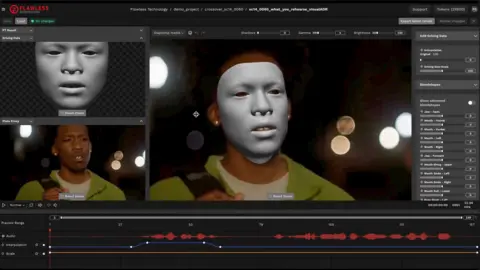
Dubbing a movie used to be something only big studios could afford. A Tamil blockbuster hoping to reach Hindi, Telugu, or English audiences had to hire voice actors, book studio time, and spend weeks matching every line to every lip movement. Today, AI movie dubbing has collapsed that process into hours, and it is quietly changing what global film fans can watch — and even what they can create themselves.
If you love movies, or if you have ever wished your favorite regional film came with a dub in your language, this shift matters more than you might think.
Why Movie Dubbing Was Always the Bottleneck
For decades, subtitles were the default answer for foreign films because dubbing was expensive and slow. A single feature film could require dozens of voice actors, a director to supervise tone and timing, and endless retakes to make the audio feel natural. Studios only invested that money for films expected to earn big in other markets.
That math left thousands of great films stranded. Smaller regional movies — the mid-budget thrillers, comedies, and dramas that make local cinema so rich — rarely got the dubbing treatment. Fans either read subtitles or missed out entirely.
AI has rewritten the economics. Modern dubbing tools can translate a script, generate natural-sounding voices, and preserve the original actor’s vocal character, all while keeping lip movements in sync. What once cost a studio a fortune now costs a fraction of it.
What AI Movie Dubbing Actually Does
It helps to understand what happens under the hood. A good AI movie dubbing pipeline does three jobs at once:
- Translation with context. Instead of word-for-word translation, the AI reads the scene. A joke, an idiom, or a cultural reference gets adapted so it lands the same way in the target language.
- Voice generation and cloning. The tool can either pick a suitable voice from a library or clone the original actor’s voice — with permission — so the dubbed version still sounds like the character you know.
- Lip-sync alignment. The audio is timed frame by frame to match mouth movements, which is the detail that separates a professional dub from an obvious one.
The result is a dub that respects the film. Genre-specific voice options mean a horror film gets a different vocal treatment than a romantic comedy, and emotional beats survive the translation instead of flattening out.
Film Translation Is Now a Fan and Creator Activity
Here is the part most coverage misses: dubbing is no longer studio-only. Independent creators, YouTube reviewers, and fan communities are using the same tools to localize their own content.
Imagine running a movie channel that covers Tamil, Telugu, and Hollywood releases. Instead of making one video for one audience, you can dub your reviews into several languages and reach all of them. Small distributors are doing the same — picking up festival films and releasing them in multiple markets without a traditional dubbing budget.
Film translation has effectively become self-serve, and that changes which movies travel around the world.
Creating Your Own Movie-Style Clips with AI Video Generation
Dubbing is one half of the new moviemaking toolkit. The other half is generation. Tools like Seedance 2.5 AI video generator can create native 30-second clips in one go, with consistent characters, up to 50 reference inputs, and 4K output.
For movie fans and aspiring filmmakers, that combination is powerful:
- Trailer concepts. Storyboard a 30-second teaser with your own characters, then refine it with reference images until the visuals match your vision.
- Short dramas. Native 30-second generation means short-form serialized content — the kind thriving on mobile platforms — is far easier to produce.
- Fan content. Recreate a favorite scene style, then dub it into another language for a multilingual audience.
Put generation and dubbing together and a single creator can make a short film, dub it into five languages, and publish worldwide — a workflow that would have required an agency just a few years ago.
What This Means for Movie Lovers
For audiences, the practical benefits are already visible:
- More films in your language. Regional cinema crosses borders faster because dubbing is affordable.
- Better quality dubs. Voice cloning keeps performances intact instead of replacing them with generic readings.
- Faster releases. Movies that once arrived months late, dubbed, can launch in multiple languages close together.
- More creator content. Reviewers, explainers, and fan edits come in more languages than ever.
The film industry has always been global at heart. AI dubbing just removes the friction that kept it local in practice.
FAQ
Is AI movie dubbing legal?
Dubbing a film requires the rights to that film. Studios and licensed distributors use AI dubbing to speed up work they are already allowed to do. Fans should stick to dubbing their own videos or content they have permission to adapt.
Does AI dubbing sound robotic?
Modern voice generation is natural enough that many listeners cannot tell it apart from recorded voice actors, especially when voice cloning preserves the original performance. Quality varies by tool, so it is worth testing a short scene first.
Can AI dubbing preserve the original actor’s voice?
Yes, with consent. Voice cloning can model the original actor’s timbre and delivery, so the dubbed track sounds like the same character rather than a replacement.
Can I try these tools without a big budget?
Both tools mentioned here are accessible online and designed for individual creators, not just studios. You can start with a single clip and scale up if the results work for you.
The Takeaway
AI movie dubbing and AI video generation have moved professional-grade localization into the hands of fans and independent creators. The films we love can now travel further, faster, and in more languages — and the next wave of short-form movie content is being made by people who never had a studio behind them. If you have been waiting to explore regional cinema, or to make your own, there has never been a better time.
This article was written for publication on request. Contact us for more AI dubbing and lip sync resources.