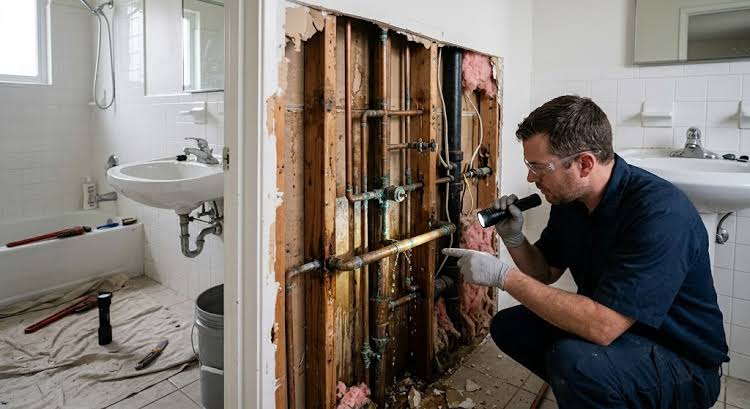
A toilet needs attention, the nearby sink has become slow, and the bathroom occasionally makes an unfamiliar sound. It is easy to assume that all three symptoms have one cause. They might be related, but they might also be separate problems that happened to become noticeable at the same time. The distinction matters because the right repair depends on what is actually happening.
An Etobicoke homeowner can make the assessment more useful by describing each symptom separately. You do not have to identify the pipe responsible. You do need to explain which fixture is affected, what happens during ordinary use, and whether the issue changes when another fixture operates. Those observations help turn a vague report of “bad plumbing” into a manageable investigation.
Start with the toilet’s behaviour
A toilet that continues filling, a bowl that drains slowly, and water appearing at the base are different observations. Note which one you see. If there is visible water, describe when it appears rather than assuming the source. The timing may help the plumber distinguish a connection issue from a problem associated with flushing or another nearby source.
Do not keep flushing a toilet that is rising towards the rim. If the fixture is overflowing or cannot be used safely, stop using it and arrange assistance. Avoid treating repeated flushing as a test. It adds more water without establishing why the fixture is not clearing. Make sure other household members know that the toilet is temporarily out of use.
Record what the other fixtures are doing
Check your recollection of normal use: does the basin drain slowly on its own, or only around the time another fixture is used? Has the shower shown a similar change? Do not deliberately create a large discharge to investigate. Report the pattern you have already observed and let the plumber decide how to assess it safely.
For a general assessment, plumbing service in Etobicoke is a useful local service reference. When requesting an appointment, explain that more than one fixture may be involved. Mention previous attempts to clear a drain, including products or tools used. This gives the person attending a clearer picture of the situation and avoids surprises during the work.
A local fixture problem needs a focused explanation
Some bathroom issues can be traced to the fixture or its immediate connections. Others require looking beyond it. If you are seeking a plumber for toilet leak, ask what will be examined and how the source will be confirmed. An external puddle does not, by itself, prove that the toilet needs replacement. The assessment should come before that decision.
Ask whether surrounding surfaces need separate attention once the plumbing issue is addressed. Stopping a leak and dealing with affected flooring or cabinetry are different tasks. Clarify what is included in the plumbing quotation and what may require another trade. Keeping those responsibilities clear helps prevent a repaired fixture from being mistaken for a fully completed restoration.
Widen the investigation when the evidence supports it
If several fixtures are affected, the plumber may recommend examining a shared part of the drainage system. Ask what observations led to that recommendation. A broader investigation should have a clear purpose, particularly when it involves different access points or equipment. You should understand what the next step is expected to reveal.
Where the findings support sewer cleaning Etobicoke, discuss the difference between restoring flow and addressing a confirmed defect. Cleaning may deal with an obstruction, while a damaged section can require a different response. It is reasonable to ask what has been established, what remains uncertain, and whether additional work is necessary now or should be considered after the immediate problem is resolved.
Avoid buying replacements too early
A new toilet or tap can be appealing when an existing fixture has become frustrating. However, replacing a fixture without understanding the problem may leave the original concern unresolved. Before purchasing anything, ask whether the proposed replacement addresses the finding and whether it is compatible with the existing installation.
If replacement is appropriate, discuss the surrounding work at the same time. Access, old connections, and the condition of the supporting area may affect the job. Keep product specifications and packaging until the installer has checked the item. A fixture selected for appearance alone can introduce avoidable complications if the practical requirements were never considered.
Plan for a shared bathroom
When the affected room is the household’s only bathroom, tell the company during booking. That information helps frame the urgency and the practical questions you need answered. Ask whether the work may temporarily leave the fixture unusable and what arrangements are sensible while the repair proceeds. Avoid assuming a completion time before the problem has been assessed.
If the property is part of a shared building, coordinate access and reporting with the appropriate building contact. Plumbing serving more than one unit can involve additional arrangements. Keep the description factual and avoid assigning responsibility before the source is established. A clear record of symptoms and communications is more useful than competing guesses about where the fault began.
Judge the result by the original symptoms
After the work, review the concerns that prompted the appointment. Ask which were addressed and whether any remain under observation. Follow the instructions given for normal use and report a recurrence with the same specific detail you provided initially. Keep the repair record so a future visit can build on what is already known.
Bathroom problems feel more manageable when they are separated into observable facts and investigated in a sensible order. For an Etobicoke household, that approach can prevent unrelated faults from being bundled together and connected faults from being treated in isolation. The goal is a repair that matches the evidence, with a clear explanation of what has changed.