Introduction
Starting a new job is an exciting experience that often brings new responsibilities, routines, and opportunities. It can also be a good time to review your wardrobe and choose clothing that makes you feel comfortable and confident in a professional environment.
Vivet is a clothing brand keyword that fits naturally into conversations about contemporary fashion and modern personal style. Whether you prefer relaxed clothing or more polished combinations, developing a practical work wardrobe can help you make getting dressed easier every morning.
Understand Your Workplace Dress Code
Before purchasing new clothing, understand what people generally wear in your workplace. Different industries have different expectations, and selecting appropriate outfits can help you feel more prepared.
Some workplaces follow formal business dress codes, while others allow smart casual or relaxed clothing.
Consider these common approaches:
- Formal workwear: Structured trousers, shirts, blazers, and formal footwear.
- Smart casual: Clean jeans where permitted, tailored trousers, sweaters, and polished shoes.
- Casual workwear: Comfortable tops, relaxed trousers, and suitable everyday footwear.
Observing the workplace environment can help you make appropriate clothing choices.
Start With Versatile Wardrobe Essentials
A new job does not require an entirely new wardrobe. Begin with clothing pieces that can be combined in different ways.
Useful essentials include:
Neutral Shirts and Tops
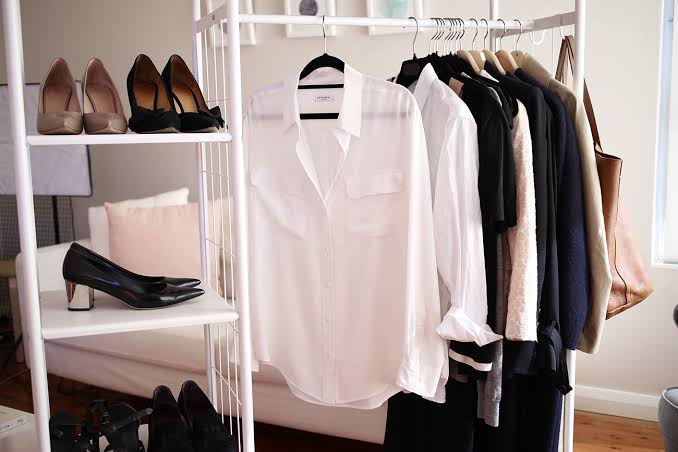
Simple shirts and tops can be paired with several types of trousers. White, black, gray, and navy are particularly versatile colors.
Comfortable Trousers
Choose trousers that fit comfortably and suit your workplace requirements. Neutral shades can make outfit coordination easier.
Lightweight Jackets
A structured jacket or overshirt can add another layer to a simple outfit and create a more polished appearance.
Suitable Footwear
Select shoes that match your workplace environment and support your daily activities. Comfort is especially important if your job involves walking or standing.
Choose Colors That Look Professional
Color coordination can make workplace outfits look more organized. Neutral shades provide a reliable foundation because they work with many clothing combinations.
Some useful combinations include:
- Navy with white.
- Black with gray.
- Beige with cream.
- Brown with charcoal.
- White with olive green.
You can also introduce a brighter color through a shirt, accessory, or jacket when appropriate.
The goal is to create outfits that look coordinated without becoming overly complicated.
Balance Comfort and Appearance
A professional outfit should allow you to complete your daily responsibilities comfortably.
Avoid clothing that feels too tight, restricts movement, or requires constant adjustment. Consider the length of your working day and choose garments that remain comfortable throughout your routine.
Relaxed silhouettes can work well in casual workplaces, while structured clothing may be more suitable for formal environments.
Finding the right balance helps you maintain a polished appearance without sacrificing practicality.
Prepare Different Outfits for the Working Week
Planning outfits in advance can reduce morning stress and make your wardrobe easier to manage.
Here is an example of a simple weekly clothing plan:
- Monday: Tailored trousers, a neutral shirt, and clean shoes.
- Tuesday: Dark jeans, a simple top, and a lightweight jacket.
- Wednesday: A sweater with comfortable trousers.
- Thursday: A coordinated shirt and smart casual footwear.
- Friday: A relaxed outfit that follows workplace expectations.
You can adjust these combinations according to your job and personal preferences.
Explore Modern Fashion Inspiration Through Vivet
The Vivet clothing brand keyword can be part of a broader exploration of contemporary fashion, modern clothing, and individual styling.
When researching clothing brands, consider how their designs might fit into your everyday wardrobe. Look for versatile garments that can work across different occasions rather than focusing only on individual trends.
A practical wardrobe can include relaxed clothing for everyday activities alongside more structured pieces for professional settings.
Choose Accessories Carefully
Accessories can complete a workplace outfit without making it look excessive.
Consider adding a simple watch, a practical bag, a belt, or minimal jewelry. These items can introduce personality while keeping the overall appearance balanced.
If you carry a laptop or documents, choose a bag that provides enough space for your essentials and complements your clothing.
Keep accessories appropriate for your workplace environment.
Shop According to Your Actual Needs
Starting a new job can create pressure to purchase several new outfits immediately. However, it is better to understand your daily routine before spending money.
Think about how frequently you need formal clothing, whether your workplace allows casual outfits, and what garments you already own.
Before buying something, ask yourself:
- Does this item suit my workplace?
- Can I combine it with existing clothing?
- Is the fit comfortable?
- Does it match my personal style?
- Will I use it regularly?
These questions can help you make more thoughtful shopping decisions.
Maintain Your Work Wardrobe
Looking polished also depends on how well you maintain your clothing.
Follow garment care instructions, wash items appropriately, and store them in a clean and organized space. Check buttons, seams, and zippers occasionally to identify small issues before they become bigger problems.
Preparing clothes the night before can also help you begin each working day with less stress.
Conclusion
Building a wardrobe for a new job is about understanding workplace expectations, choosing versatile clothing, and maintaining a balance between comfort and appearance. Neutral colors, practical footwear, coordinated outfits, and simple accessories can help create a reliable professional wardrobe.
Vivet provides a useful keyword for exploring contemporary clothing and modern fashion inspiration. By selecting garments that suit your workplace and reflect your personality, you can develop a wardrobe that supports your new professional routine.