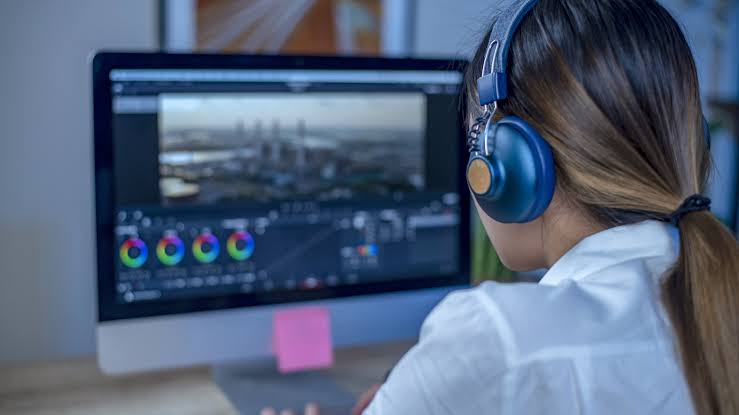
Editing is the stage where individual recordings become a piece that someone else can follow. A clip may work well on its own but feel confusing when placed beside another. The editor’s task is to establish order, preserve essential information, and give each part a clear relationship with the whole.
Good flow does not require constant movement or elaborate transitions. It comes from useful decisions about what appears next, how long it remains, and which sound or explanation connects it with the surrounding material.
Build a Simple First Version
The first assembly should establish the main sequence. Place the essential clips in an order that communicates the subject before spending time on decorative effects.
This version can be rough. Its purpose is to reveal the structure and expose gaps while the material is still easy to rearrange.
If the central process is unclear without music or graphics, those additions may only disguise the problem. A workable first assembly makes the main action or explanation understandable through the footage and necessary words.
Keep Cause and Result Connected
A viewer needs enough information to understand หนังโป๊ how one stage leads to the next. Cutting away an essential action can make the result feel unexplained.
In a video showing the arrangement of a tabletop display, the audience may need to see why a large object moves behind a smaller one. A brief view of that adjustment can explain the final layout.
The edit does not need to preserve every second of the recording. It needs to preserve the relationships that make the sequence intelligible.
Cut When the Next Shot Adds Something
A new shot can reveal a detail, change perspective, introduce another stage, or show a reaction. Those are useful reasons to cut.
Changing the picture simply because several seconds have passed can interrupt an action before the viewer has understood it.
The opposite problem is leaving a clip after its information has been delivered. A purposeful cut arrives when the next view contributes something useful, rather than following a rigid rhythm unrelated to the subject.
Use Continuity as a Guide
Objects, positions, and movements need enough consistency for the sequence to make sense. A sudden unexplained change can draw attention away from the message.
This does not mean that every recording must match perfectly. It means that the editor should notice whether the change affects understanding.
A closer view can bridge two stages when it clearly shows the same action or detail. An establishing view can also reset the audience’s sense of where the sequence is taking place.
Let Sound Support the Transition
Spoken explanation, background sound, and music can connect clips that look different. A continuing sentence can carry the viewer across a change in view when the picture remains relevant to the words.
The relationship should be deliberate. The audience should not have to choose between listening to one subject and watching another unrelated action.
Sound also needs its own editing attention. Abrupt volume changes, clipped words, and unnecessary noise can make an otherwise smooth visual sequence feel uneven.
Add Text Where It Supplies Missing Context
A label can identify an unfamiliar object, name a stage, or clarify a small detail. Text becomes useful when it answers a question that the image and audio do not already answer clearly.
Large blocks of wording can compete with the footage. The viewer may need time to read while also following an action.
The edit should give the text enough room to work. A short label in the appropriate place often communicates more effectively than a dense explanation appearing over the most complicated movement.
Adjust Pace to the Information
A simple establishing view can be brief, while a precise hand movement may need longer. An emotional pause can also serve a purpose that a faster sequence would remove.
Pace should follow the work the viewer is doing. The amount of detail, familiarity of the subject, and complexity of the action all affect how quickly the sequence can move.
A video is not improved automatically by making every clip shorter. The practical question is whether each section gives the audience enough time to understand its contribution.
Review the Complete Video
Watching individual edits repeatedly can make the creator too familiar with the material. A full playback reveals problems that are less obvious while working on isolated clips.
Check the beginning, transitions, sound levels, labels, and final result. Consider whether a first-time viewer receives the information needed at each stage.
Editing videos for flow is a process of shaping relationships. The footage provides the material, but the sequence determines how the audience experiences it. A clear edit helps the subject unfold without requiring the viewer to reconstruct missing steps.