Introduction
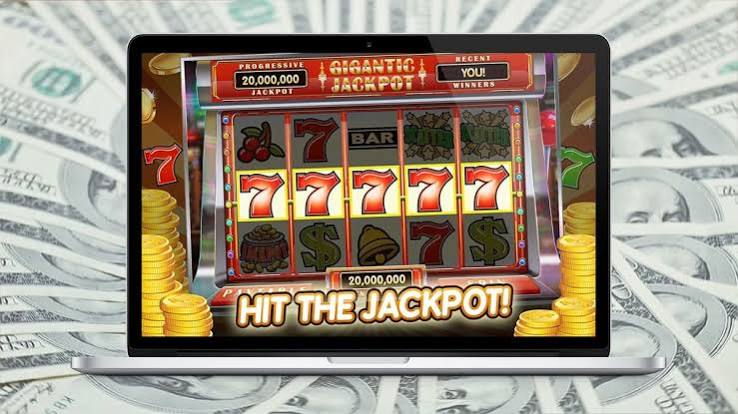
Slot games are a well-known category of digital entertainment that combines simple controls with creative themes and animated designs. Over the years, these games have changed significantly. Early machines used physical reels and basic symbols, while modern versions use computer software to create different layouts, sounds, and visual effects.
Today, slot games are available in many formats. Some follow the traditional style, while others introduce creative mechanics, special symbols, and interactive bonus features. Their designs can be inspired by mythology, adventure, nature, popular themes, and fictional worlds.
Understanding how these games work can help readers become familiar with their structure and technology. This guide explores the development of slot games, their common formats, important features, and the factors worth understanding when researching online gaming platforms.
What Makes a Slot Game Different?
A slot game is generally built around a system of reels and symbols. A player starts a round, the reels display a combination of symbols, and the software evaluates the result according to the game's rules.
The design is usually straightforward, but different titles can have very different layouts. Some use three reels, while others contain five or more. Certain games include fixed paylines, whereas others use ways-to-win systems or matching symbol groups.
The main elements commonly include:
Reels: The sections where symbols appear.
Symbols: Images or icons used within the game.
Paytable: Information explaining symbol combinations and their assigned values.
Game Rules: Instructions describing how the features operate.
Special Features: Additional mechanics that may change the presentation or structure of a round.
Every title has its own design, so the instructions should always be reviewed.
The Journey from Traditional Machines to Digital Games
The history of slot games is closely connected to the development of technology.
Early Mechanical Designs
Traditional slot machines were physical devices with rotating reels. Their appearance was simple, and they commonly displayed symbols such as fruits, bells, and numbers. Players operated a lever or button to start the reels.
The Introduction of Electronic Systems
Electronic machines allowed developers to create more flexible designs. Digital displays, improved sound effects, and additional game functions gradually became part of the experience.
The Growth of Internet Gaming
As internet access became more common, developers began introducing browser-based versions. This allowed users to explore digital games through supported websites without needing a physical machine.
Modern Smartphone Experiences
Mobile technology brought another major change. Developers started optimizing layouts for smaller screens, touch controls, and different operating systems. Many modern titles are designed to work across desktop and mobile devices.
Popular Slot Game Formats
Not every slot game follows the same structure. Different formats are designed to provide different visual and mechanical experiences.
Traditional Three-Reel Slots
These games are inspired by classic machines. They usually contain three reels and a limited selection of symbols. Their straightforward design makes the rules relatively easy to understand.
Five-Reel Video Slots
Five-reel games are common in digital gaming. They often include colorful backgrounds, animated characters, themed soundtracks, and additional features.
Megaways-Style Games
Some games use changing numbers of symbols on each reel. This creates different possible symbol arrangements from one round to another. The exact mechanics depend on the individual title.
Cluster-Pay Games
Cluster-based formats use groups of matching symbols rather than relying entirely on traditional paylines. Certain games also include cascading mechanics, where matching groups disappear and new symbols appear.
Progressive Jackpot Formats
Some slot games are connected to progressive prize systems. A displayed jackpot may increase under the system's rules, but its size should never be interpreted as a prediction of the likelihood of receiving it.
Understanding Symbols and Their Functions
Symbols are an important part of slot game design. Their appearance and functions help define the theme and mechanics of each title.
Regular Symbols: These are the standard images displayed across the reels. Different symbols may have different values or matching requirements.
Wild Symbols: A wild symbol can replace selected regular symbols in certain combinations, depending on the rules.
Scatter Symbols: These symbols may activate a special feature when a required number appears.
Bonus Symbols: Some games use specific icons to introduce additional rounds or interactive features.
Special Theme Symbols: Developers sometimes create unique symbols connected to the story or setting of a game.
The paytable is the best place to understand what each symbol does.
How Bonus Features Add Variety
Modern slot games often include additional features to make their designs more varied.
One common feature is the bonus round. It may introduce a different screen, new animations, or a separate set of rules.
Free-spin features are another familiar example. Some games offer a limited number of additional spins when specific conditions are met.
Other titles include expanding symbols, multipliers, wild reels, or cascading combinations. These features can make a game more visually interesting, but they do not remove the element of chance.
It is important to remember that bonus features are not guarantees of a positive result.
The Technology Behind Digital Slot Games
Software plays a central role in modern slot games. Developers use programming systems to manage the game's interface, animations, sound effects, and outcome calculations.
A major component is the Random Number Generator, commonly known as an RNG. It produces random values that the game software uses to determine results.
In properly designed systems, outcomes are intended to be unpredictable. A previous result does not provide a dependable way to identify what will happen in the next round.
Independent testing and certification may also be used to assess certain gaming systems. The availability and requirements of such checks depend on the provider and jurisdiction.
What Do RTP and Volatility Mean?
When researching slot games, two common terms are RTP and volatility. They describe different statistical characteristics.
Return to Player (RTP)
RTP stands for Return to Player. It is a theoretical percentage calculated over a very large number of game rounds.
It should not be understood as a guaranteed return for an individual session. Actual short-term results can be very different from the theoretical figure.
Game Volatility
Volatility describes the general pattern of possible results.
Lower-volatility games are generally designed around smaller, more frequent results.
Higher-volatility games can have less frequent results with greater variation.
These descriptions do not predict an individual outcome. They are simply ways of explaining how a game is mathematically structured.
Themes and Creative Game Design
Themes are one reason why slot games can look very different from one another. Developers use artwork, colors, characters, and background sounds to create a consistent visual identity.
Some common theme categories include:
Ancient civilizations and historical settings.
Wildlife, forests, and natural environments.
Space exploration and futuristic technology.
Fantasy characters and imaginary worlds.
Seasonal celebrations and cultural events.
Adventure stories and treasure discoveries.
A strong theme can make a game visually recognizable. However, artwork and animations are separate from the mathematical system that determines game results.
Desktop and Mobile Compatibility
Online gaming platforms may offer access through desktop computers, tablets, and smartphones. A good interface should adjust to the device being used.
For mobile users, important design elements include readable text, properly sized controls, responsive screens, and smooth navigation.
Desktop versions may provide more screen space for menus and information panels. Regardless of the device, users should make sure their browser and operating system are supported.
Important Factors When Exploring Online Platforms
Before using an online gaming service, it is important to research the platform carefully. A modern website design or attractive promotional message is not enough to establish reliability.
Consider the following points:
Legal Status: Check whether the platform is legally authorized to operate in your location.
Website Security: Review its security practices and how it protects user information.
Clear Terms: Important conditions should be easy to find and understand.
Privacy Policy: Read how personal data may be collected and processed.
Customer Assistance: Check whether contact information and support options are clearly provided.
Game Information: Look for accessible rules, paytables, and relevant technical details.
Avoid platforms that make unrealistic claims, promise guaranteed results, or use unclear conditions.
Responsible Entertainment
Slot games involving real-money gambling carry a risk of financial loss. Results are based on chance, and there is no reliable strategy that can guarantee a win.
People should follow local laws and age restrictions before accessing gambling-related services. Gambling should never be treated as a source of regular income or a solution to financial difficulties.
It is also important to avoid spending money intended for household expenses, education, bills, or other essential needs. Anyone who finds it difficult to control gambling should consider taking a break and seeking appropriate professional support.
What Could Shape the Future of Slot Games?
The future of digital slot design may include more advanced animation, improved mobile interfaces, creative sound systems, and better accessibility features.
Developers may also introduce new ways to organize symbols and present interactive elements. Improvements in cybersecurity and software testing could help strengthen platform protection and transparency.
Although technology may change how these games look and operate, it cannot make chance-based outcomes predictable.
Conclusion
Slot games have moved far beyond the simple mechanical machines of the past. Modern digital versions include different reel structures, creative themes, special symbols, bonus features, and mobile-friendly interfaces.
Learning about these elements provides a clearer understanding of how slot games are designed and how their technology works. Terms such as RNG, RTP, and volatility also help explain the mathematical side of these games.
Anyone researching online slot platforms should focus on accurate information, legal requirements, security, and responsible choices. Above all, it is important to understand that real-money slot games involve financial risk and never offer guaranteed results.